The first year begins with an induction week designed to build connections and settle into the programme. Throughout the year, students acquire a strong multidisciplinary foundation in agro-resources and biorefinery processes. They also develop their expertise in value-chain sustainability assessment, specialising either in economics or green chemistry. The year concludes with a Summer School in Estonia.
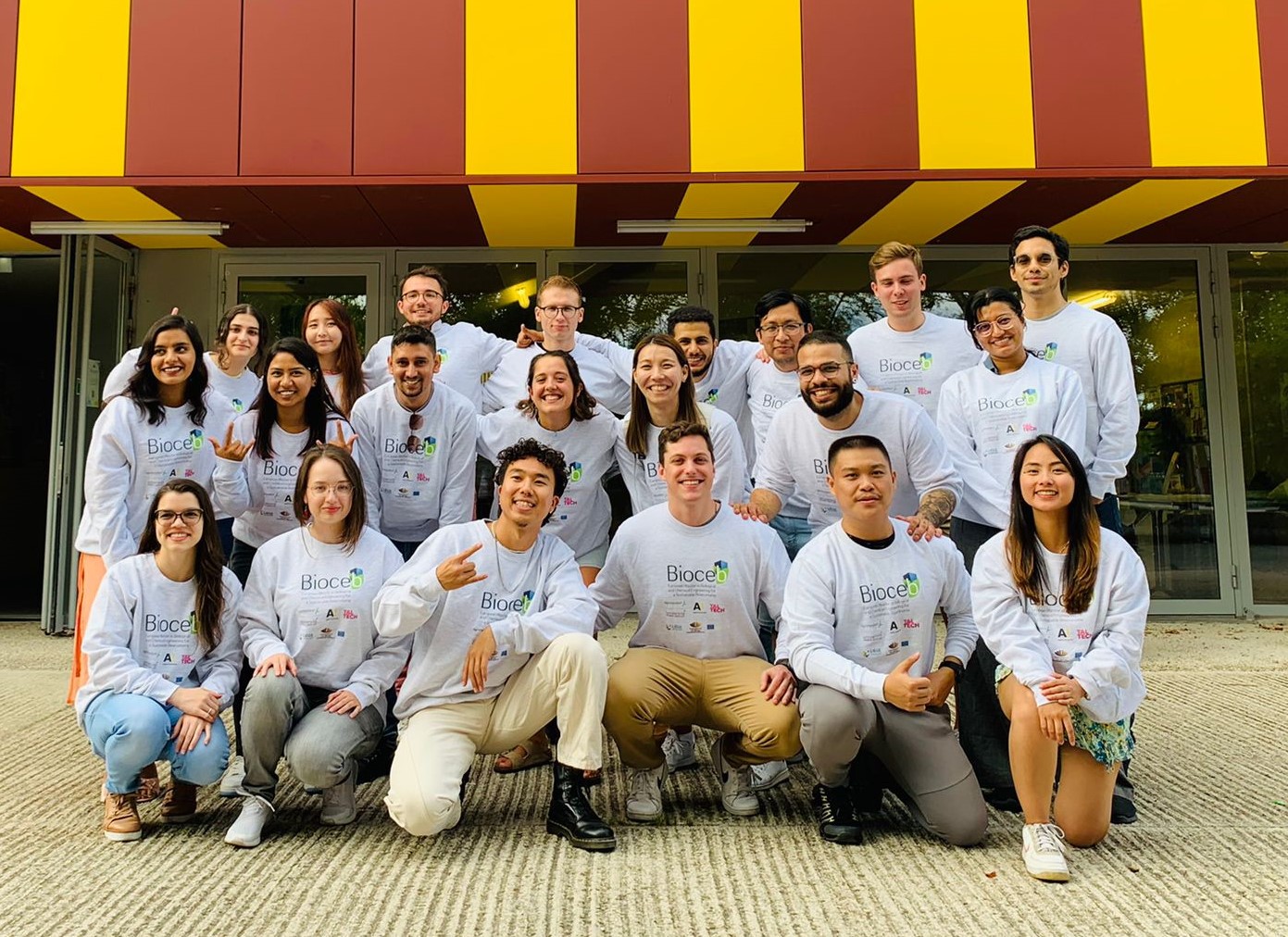
The Induction Week
Organised at URCA in Reims the last week of August, it includes:
- a detailed presentation of the curriculum and study tracks
- a presentation of Green Line Projects
- inspirational lectures
- site visits
- “integration” training (such as intercultural training)
- going through administrative issues
- social events enabling students to get to know each other and start building a solid network.
The joint first semester (S1) at URCA
The joint first semester at URCA provides a multidisciplinary scientific knowledge base and a shared culture in the field of agro-resources and their conversion through biorefinery processes.
| University | ECTS |
| S1 at URCA | 30 |
| Disciplinary strengthening in chemistry or biology | 3 |
| Physiology of plant development | 3 |
| Plant-soil environment | 6 |
| Plant biorefining | 6 |
| Enzymes and biorefinery | 3 |
| Molecular biology of microorganisms | 3 |
| Green Chemistry, biosourced building-blocks | 3 |
| Green Line project-1st stage | 3 |
Students may take optional French courses (no ECTS credits)
The second semester (S2) at TalTech or AgroParisTech
It allows the students to enrich their technical and scientific experience with cross-cutting approaches dealing with value-chain sustainability assessment, with a specific focus either on economics (AgroParisTech) or on green chemistry principles (TalTech).
| University | ECTS |
| S2 at AgroParisTech - Université Paris Saclay | 30 |
| Economic tools for environmental analysis | 6 |
| Biomass Resources and Environmental Assessment for a Sustainable Bioeconomy in Territories | 10 |
| Decision Aiding, Operation Research and Sciences for innovation | 3 |
| Bioenergies and lignocelluloses | 2 |
| Green line project-2nd stage (Project engineering, experimentations, market analysis) | 6 |
| Interculturality and creativity | 3 |
| French | 0 |
| S2 at TalTech | 30 |
| Green chemistry metrics for feedstocks to biochemical development | 6 |
| Sustainable/ cleaner production | 6 |
| Biopolymers: basics, production and applications | 6 |
| Biorefinery Systems | 6 |
| LCA of green technologies (Green Line project-2nd stage) | 6 |
At Taltech, students can take additional optional courses, but the ECTS credits are not counted as part of the Bioceb programme.
Students are allowed to undertake an optional internship during summer.
The Summer School
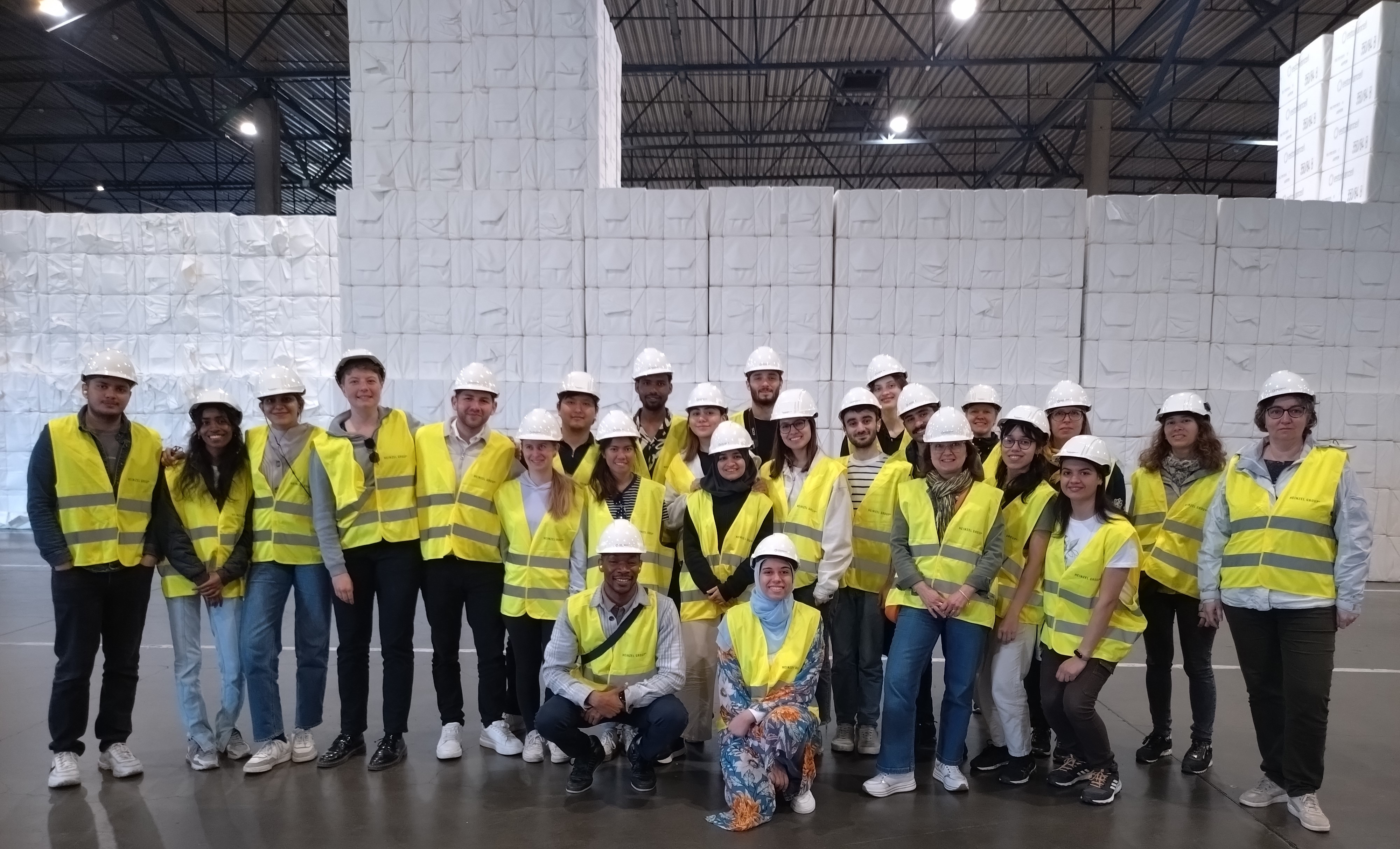
It is organised in Tallinn at the end of S2 (mid/end of June), during 5 days, gathering students after a semester spent in 2 different locations, comprising various activities such as:
- guest lectures
- site visits
- soft skills training
- a 1-day workshop on Green Line projects including oral and poster presentations
- social activities.
Updated June 2026