Bioceb brings together 5 prestigious European universities and 17 international associated partners, dedicating their complementary competences and approaches to the development of biotechnologies in the context of the bioeconomy. Through this collaboration, Bioceb aims to promote international scientific collaboration and knowledge transfer between education, research and industry, in order to address 2 main challenges of the bioeconomy: greenhouse gas emission reduction and independence towards fossil resources.
BiocebFull Partners
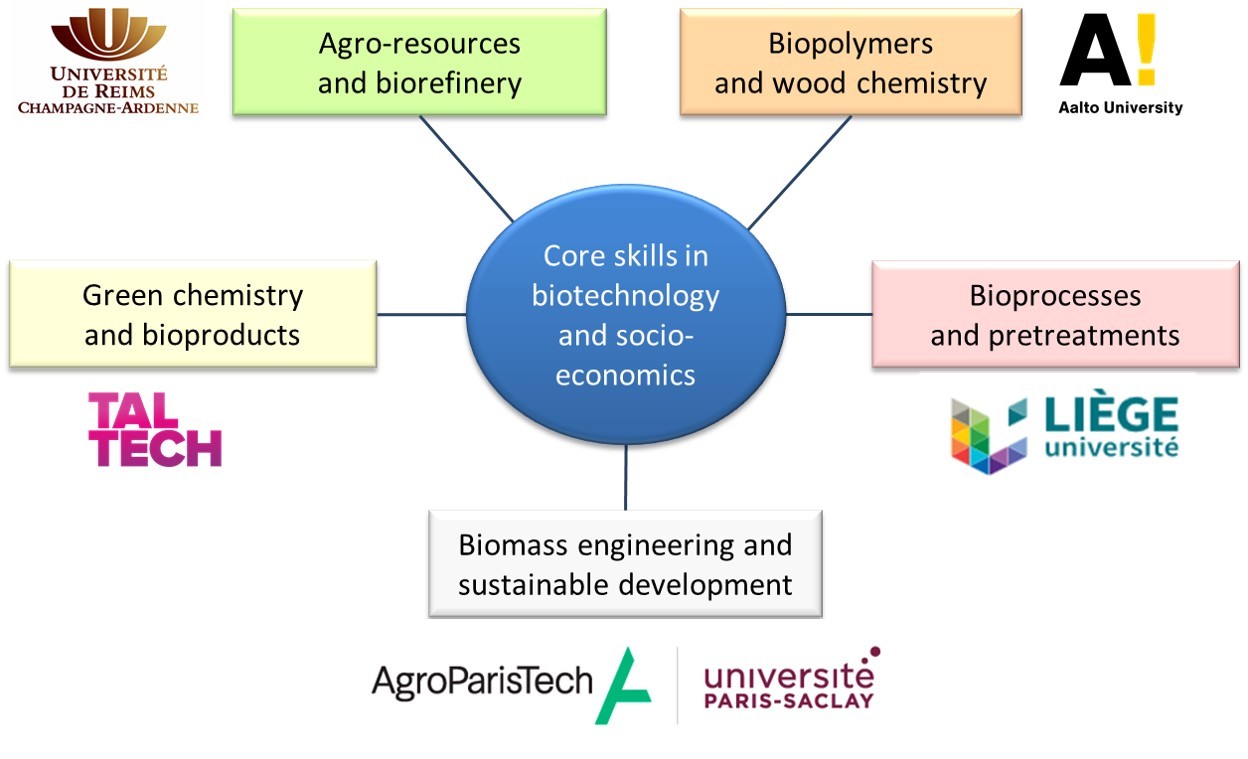
Gathering five complementary and prestigious universities strategically located across diverse bioeconomy regions, the consortium embodies the richness and diversity of Europe’s bio-based models, from Scandinavian forest-based systems to Western European agro-industrial approaches. Its geographical distribution fosters close collaboration while reducing the environmental footprint of joint activities and student mobility. Combining expertise in biotechnology and socio-economics, and building on longstanding partnerships and strong experience in European scientific cooperation, the consortium has evolved over the past years into a cohesive community ready to address the challenges of a sustainable bioeconomy.
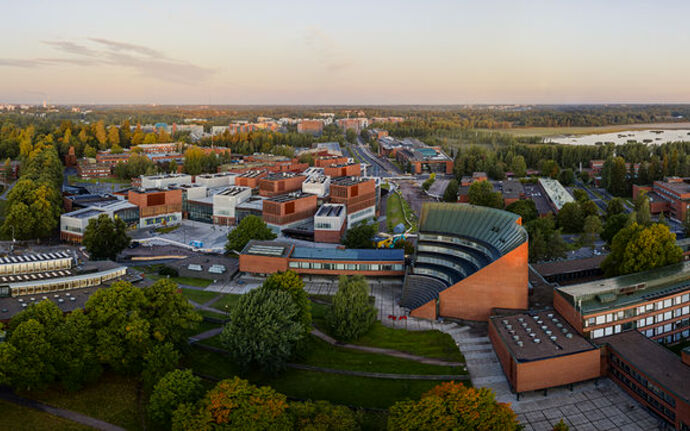

Aalto - Finland
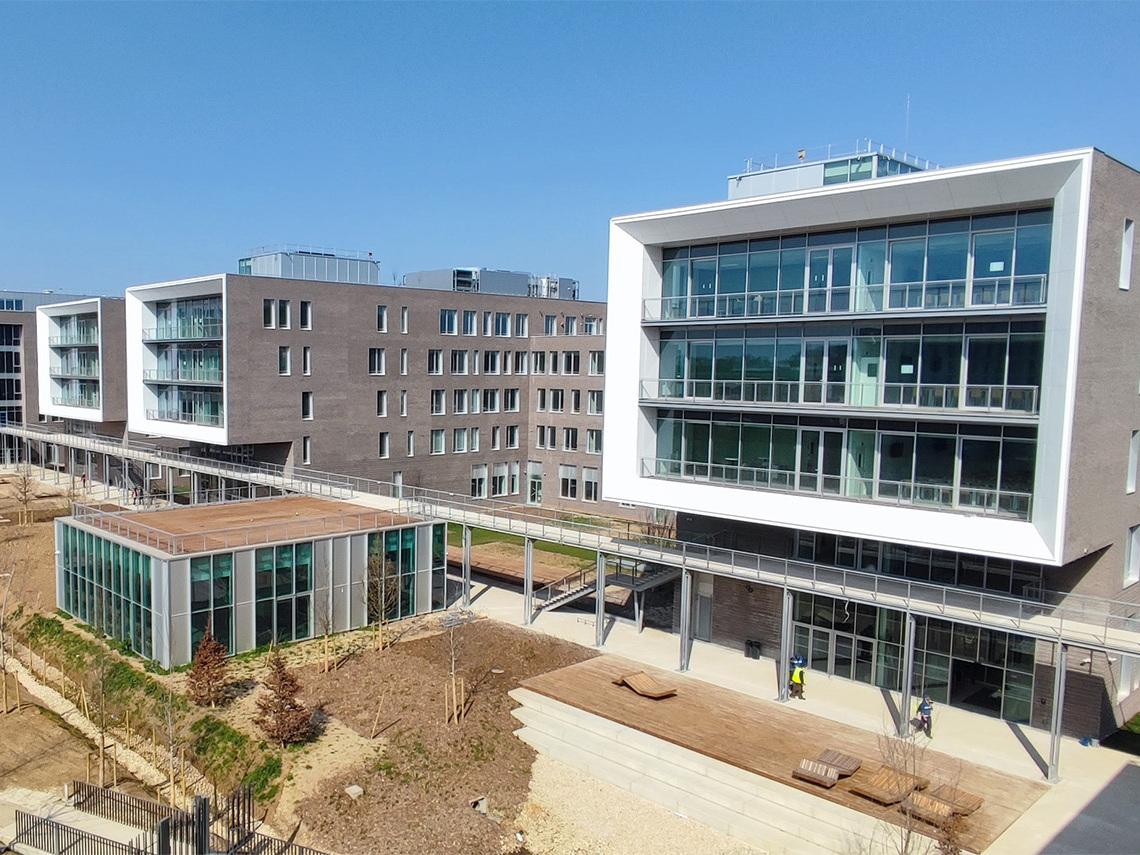

AgroParisTech - France
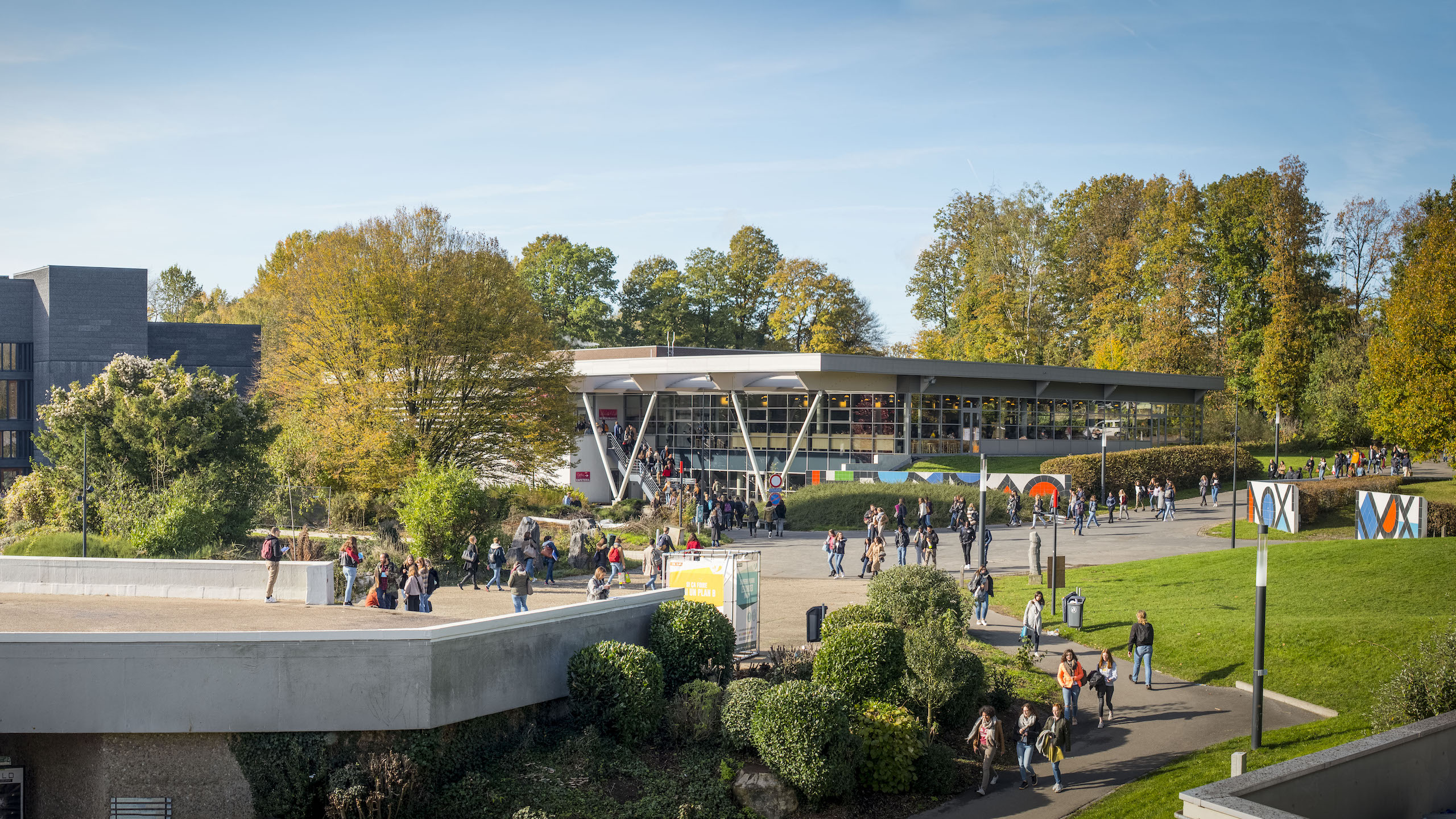
ULiège - Belgium

URCA - France
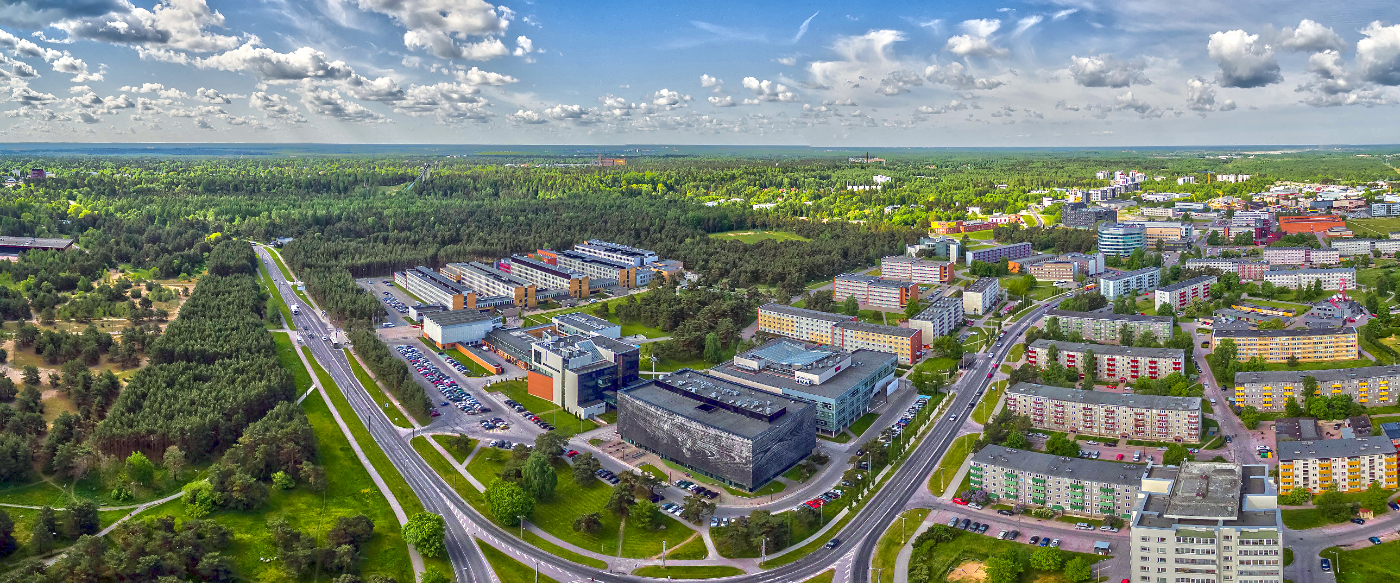

TalTech - Estonia
All the partners share strong expertise in biotechnology according to the definition of the Organisation of Economic Cooperation and Development (OECD) as “the application of scientific and engineering principles to the processing of materials by biological agents”.
- Core expertise in biotechnology: biochemistry, microbiology, engineering sciences applied to technological (industrial) applications of the capabilities of micro-organisms, cultured tissue cells, and parts thereof. Federated through this biotechnology core, the consortium gathers complementary clear-cut specific expertise and application areas.
- Socio-economic skills
Bioceb covers the entire bioeconomy value chain, from plant resources to biobased products, across all scales, from genes to industrial processes, while engaging with the associated socio-economic challenges. This combination enables students to address all dimensions of a sustainable bioeconomy, including its social and societal aspects, while developing a broader understanding of how their future research may contribute to tackling global challenges and crises.
BiocebAssociated Partners
Bioceb was created to bridge the skills gap in the bioeconomy sector. By bringing together academic institutions, leading industrial players, research organisations and thematic clusters, the programme strengthens graduates’ employability and ensures training is aligned with real-world skills and market needs.










The National Research Institute for Agriculture, Food and the Environment (INRAE) - France
Visit website →
The National University of Colombia (UNAL) site of Manizales, Institute of Biotechnology and Agroindustry – Colombia
Visit website →
University of Eastern Finland (UEF) – Finland, as Chair of the European Bioeconomy University (EBU)
Visit website →

The cooperation takes place throughout the programme and through various activities:
- Lectures and conferences, to enable students to benefit from the expertise of these non-educational actors and to understand how it fits into their academic curriculum
- Site visits and access to infrastructures to expose students to socio-economic environments, to interact with professionals and to enrich their network
- Internship/master’s thesis position and topic to ensure the professionalisation of the students by providing complementary scientific and technical skills together with soft skills
- Advisory Board to review the curriculum in the light of the needs from non-educational actors
- Participation in congress, symposium, competitions etc.: students are encouraged to take part in professional or scientific events organised by non-educational actors, which enables the students to develop their professional network and skills
- Promotion of the programme, through social networks after a contribution to Bioceb, or as prescribers and even possibly sponsors.