
Chapeau : For the 5th year in a row, the Summer School took place in Estonia, where the 5th Bioceb cohort gathered at the end of their first year of Masters.
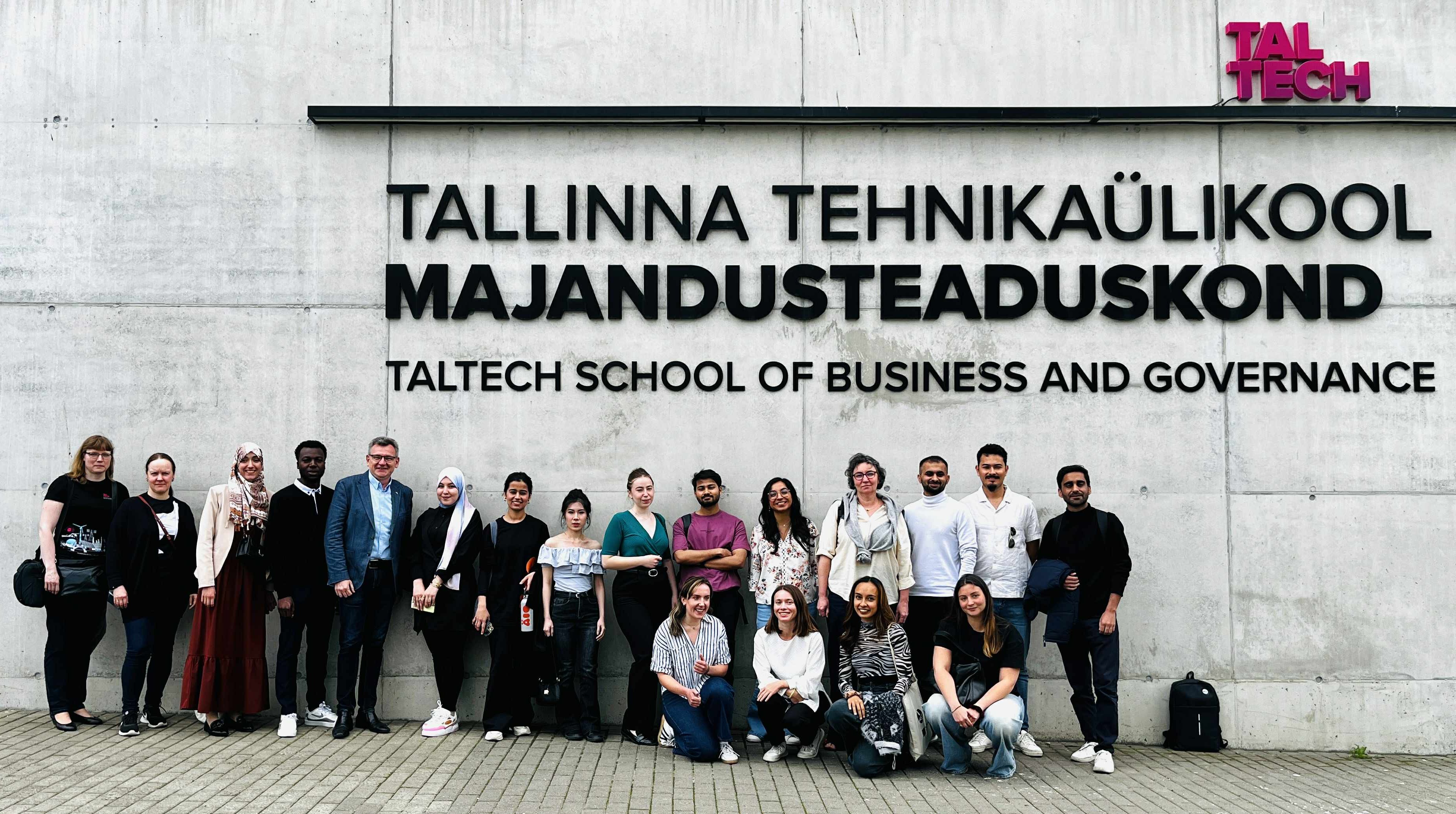
For the 5th year in a row, the Summer School took place in Estonia, where the 5th Bioceb cohort gathered at the end of their first year of Masters. Once again, the organisation team from Tallinn University of Technology (TalTech) had put together a unique program fitting perfectly with the training objectives of this pillar joint event. The programme combined opening conferences on societal interest, visits of labs and industrial sites, communication by the students on their Green Line Projects, meeting with alumni, as well as the unmissable cultural and entertaining activities. Thorough the week, the students had the opportunity to share their views with the Bioceb consortium participants (Yevgen Karpichev and Triinu Poltimäe from TalTech; Jeanne Beyrand, Stéphanie Baumberger and Ana-Karen Sánchez-Castañeda from AgroParisTech). Albina Mikhraliieva, a post-doc in Yevgen Karpichev’s group, was also on board for the adventure, as well as Rangsimatiti Binda Saichompoo from cohort 4.
Day 1. After a warm welcome, the programme started with a set of lectures illustrating the diversity of topics addressed at TalTech: Evolution of Sustainable Carbon (Nano)Materials, Food Science, Circularity in Textile and Clothing Field. It continued with the traditional visit of labs. The lab tour focused this year on 3 major sectors related to biomass transformations: food, textile, and wood.
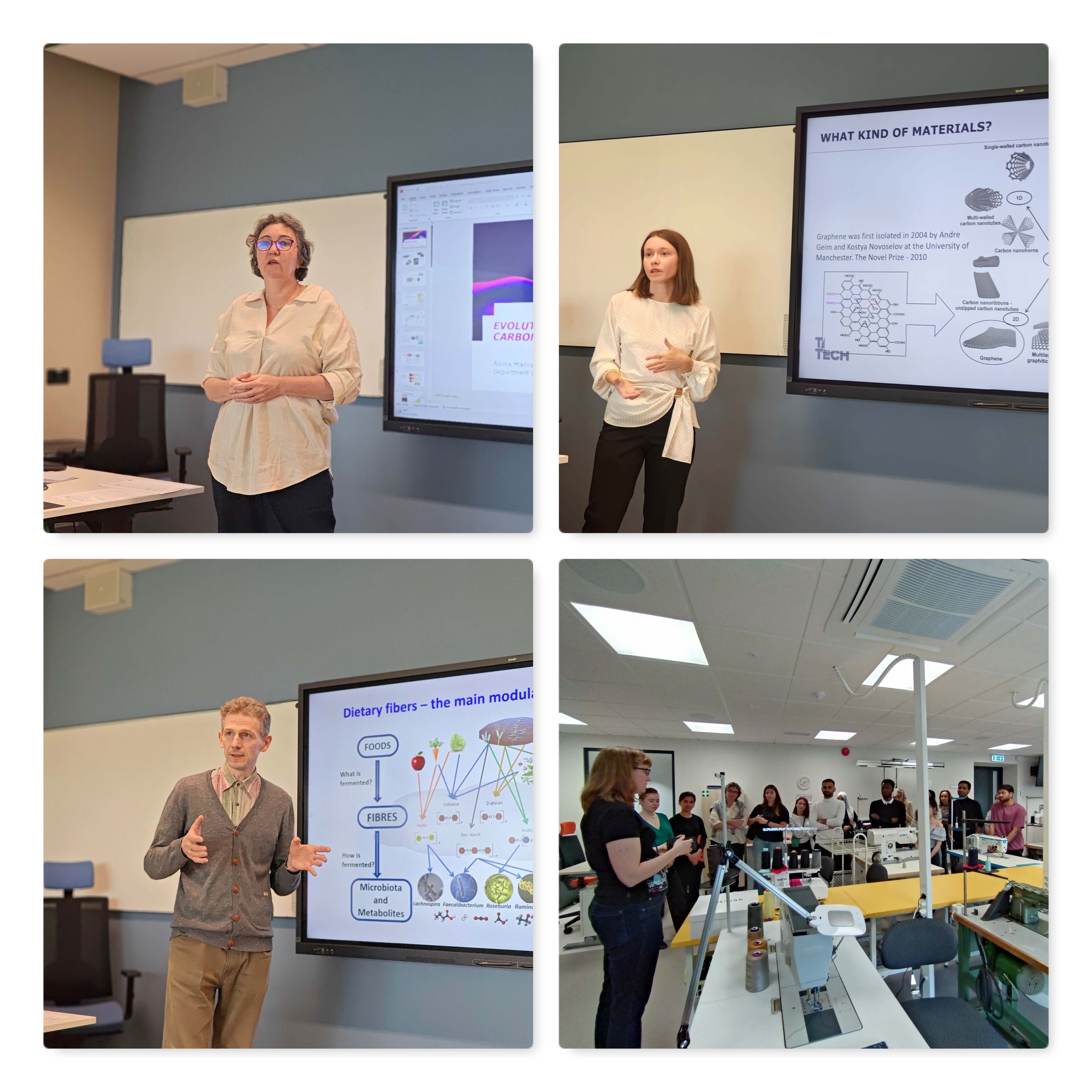
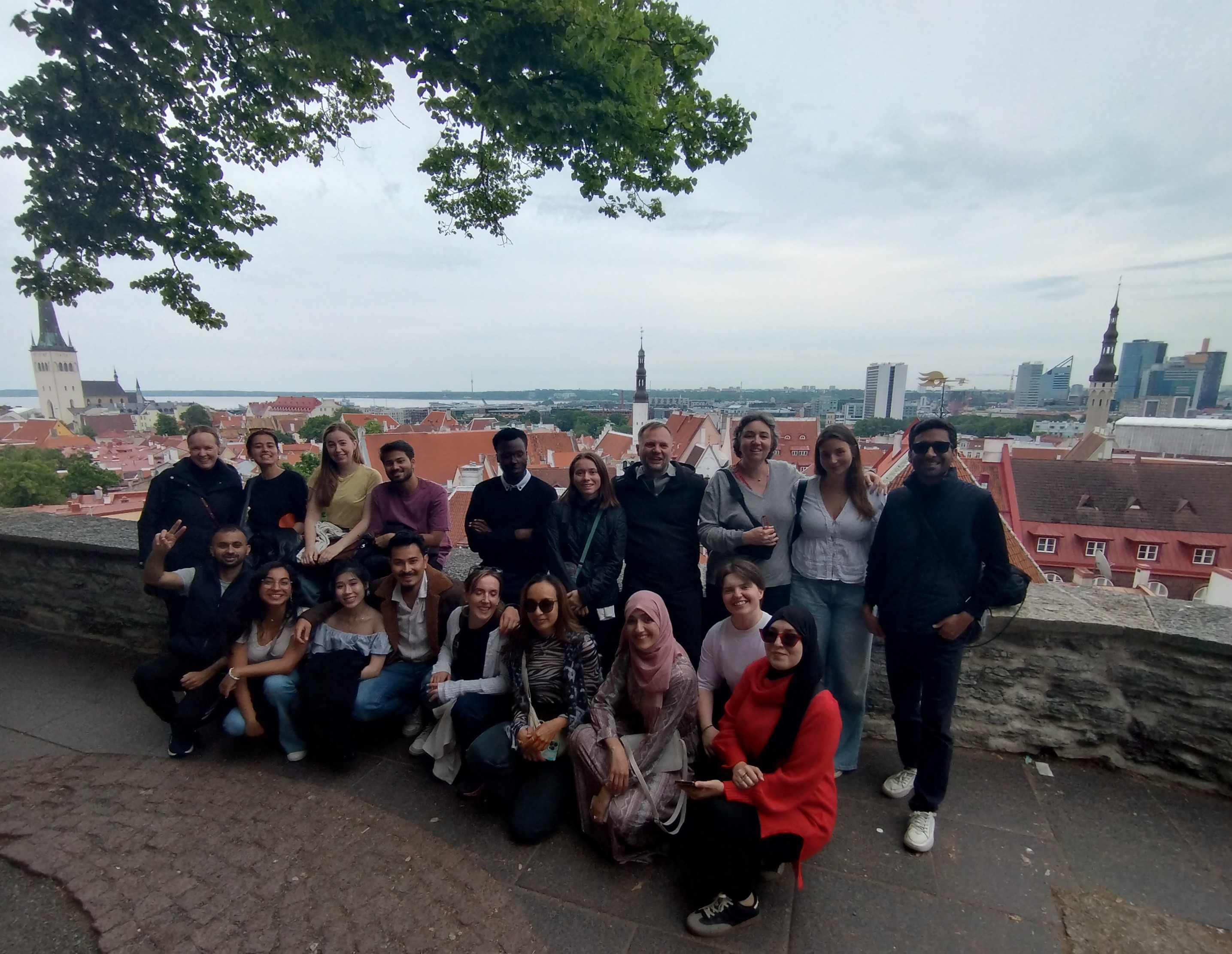
The group had the opportunity to discover the modern facilities for precision fermentation at TFTAK, for wood mechanical testing at the Department of Civil engineering, and for textiles processing at the Department of Materials and Environmental Technology. It ended with the guided tour in Tallinn old town.
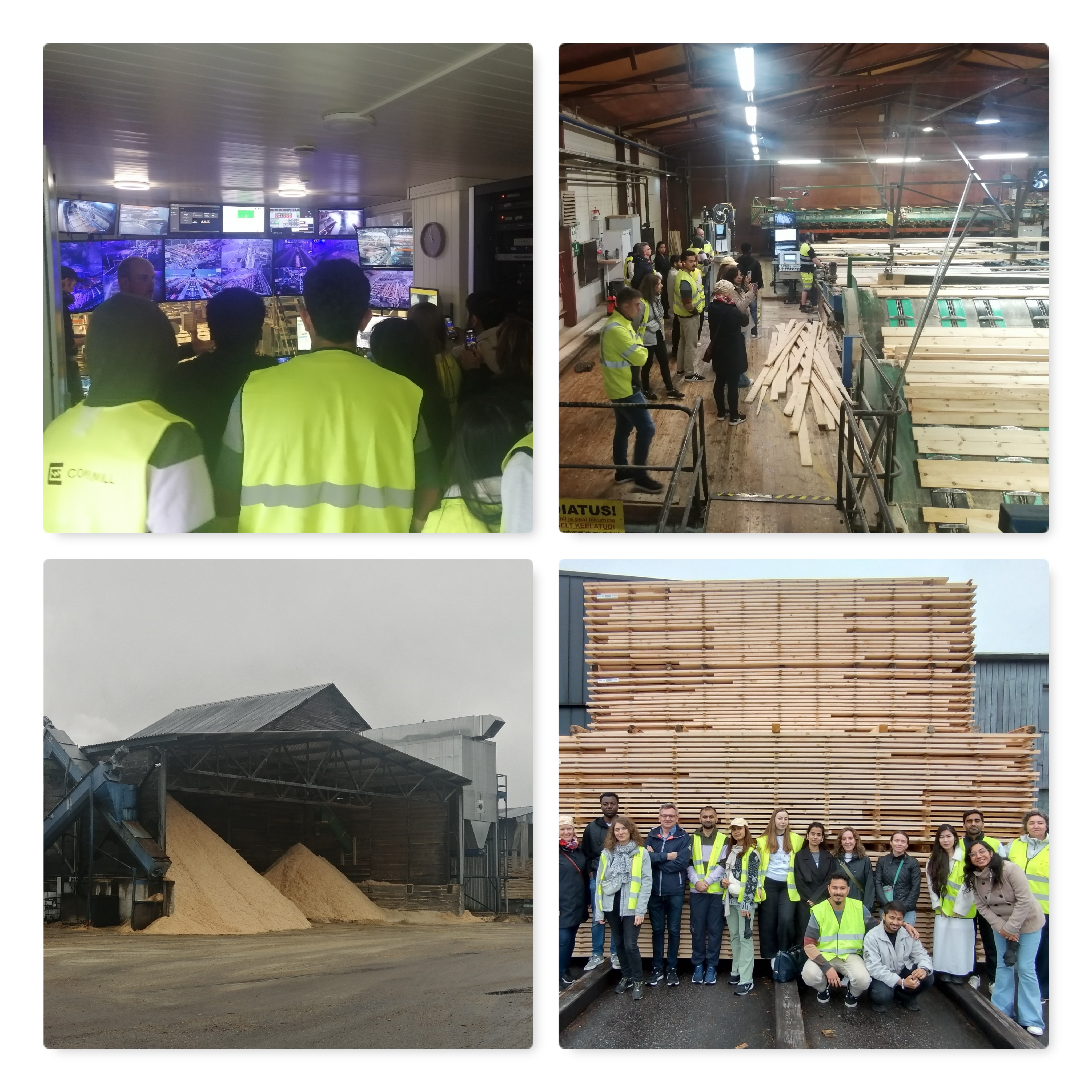
Day 2. A trip to central Estonia started with an early morning bus departure and a visit of Combimill Sakala OÜ, where the participants discovered the inner workings of a modern sawmill at the forefront for logistic and traceability.
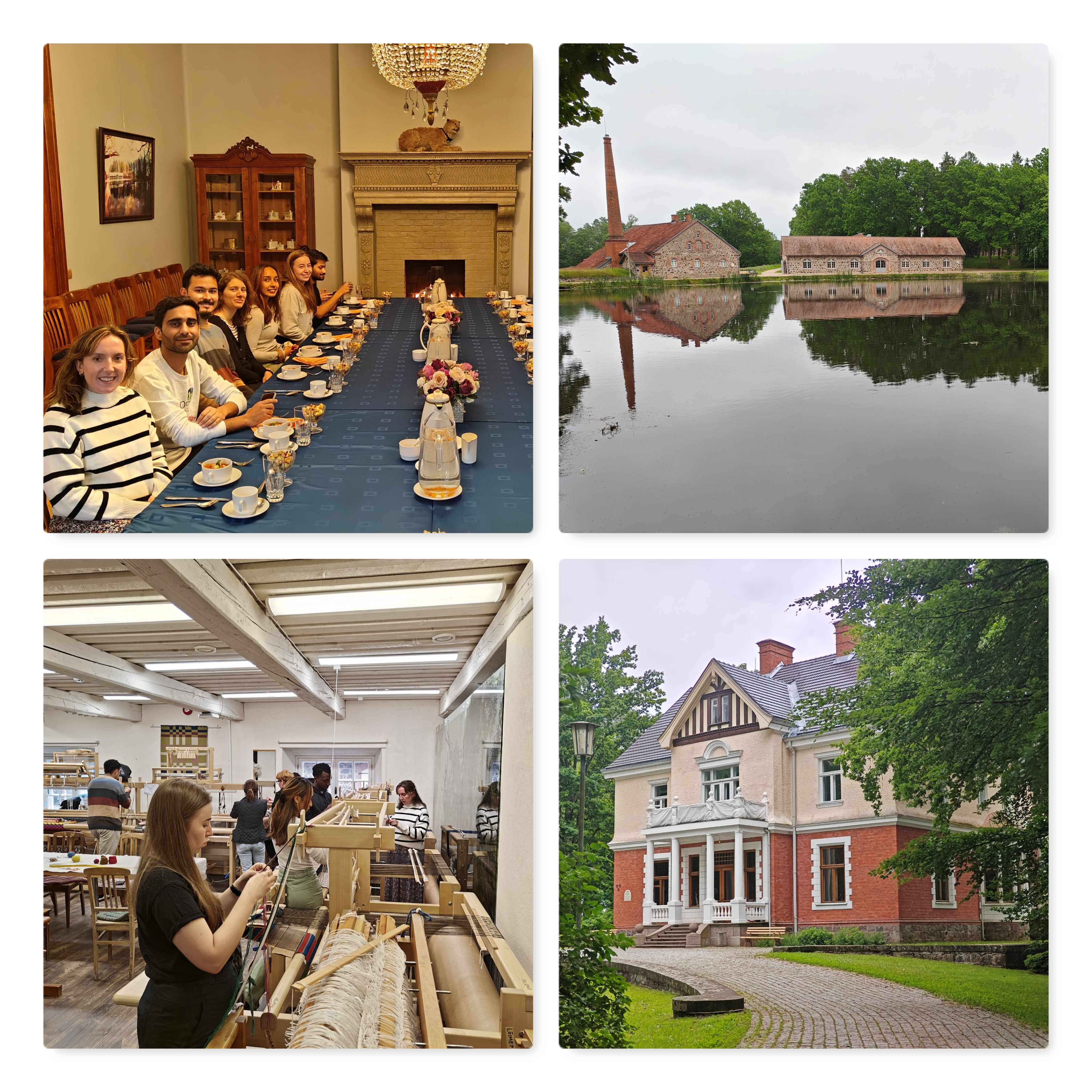
Then, they enjoyed a lunch in the beautiful setting of Olustvere manor, following by a team-building creative activity: a ribbon weaving workshop.
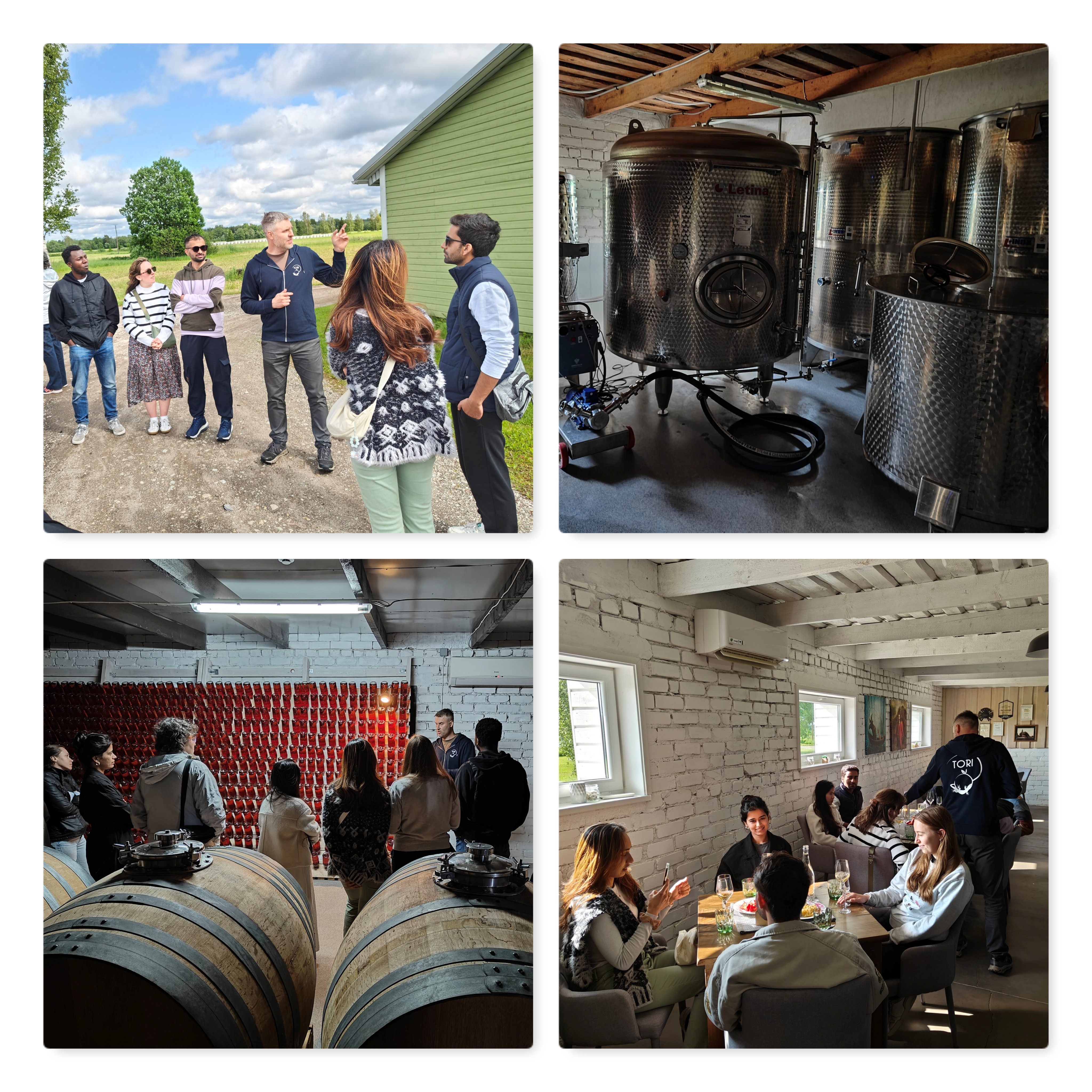
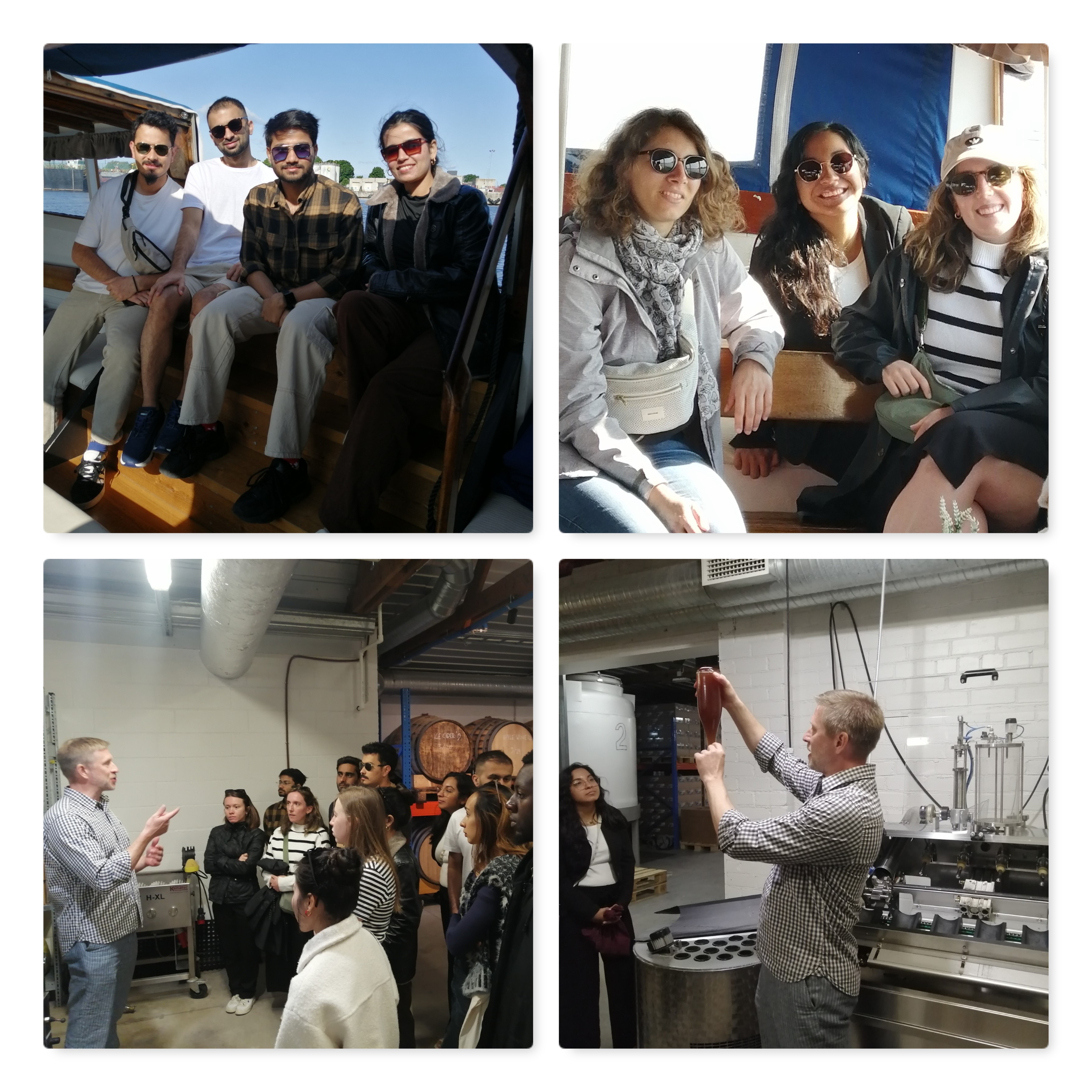
In the afternoon, a tour and tasting took place at Tori Cidery, a family-run cidery. The owner explained how cider is made and fermented, using the “Méthode Champenoise”, which reminded the students of their semester in Reims! The group finally reached the seaside town of Pärnu for the evening, and some were even brave enough to take a swim in the Baltic Sea despite the chilly temperatures!
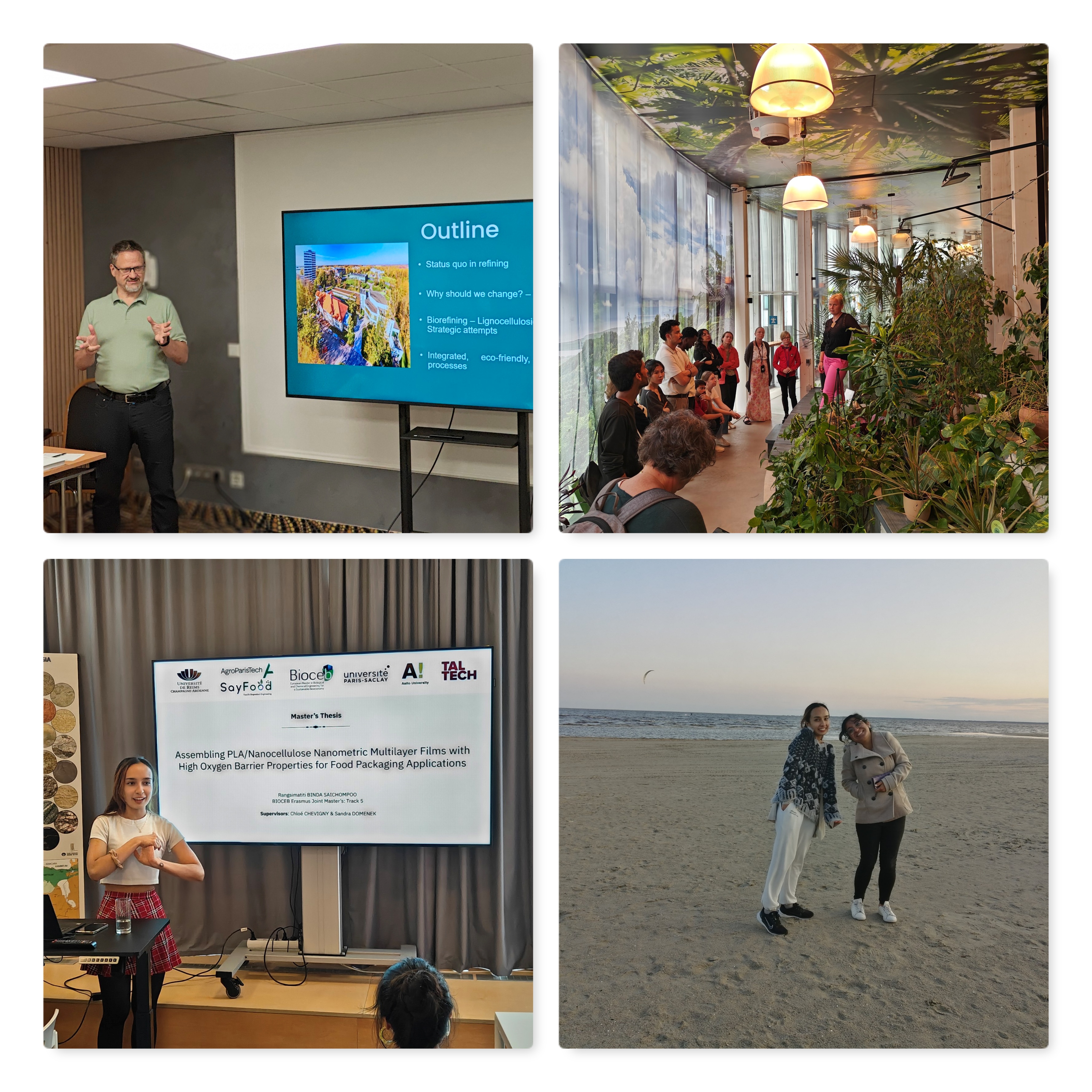
Day 3. morning session at the hotel was dedicated to lectures: Timo Kikas „Biomass Valorization with a Focus on Lignin: Challenges and Opportunities in Advanced Biorefineries”; Kait Kaarel Puss, Application Development Manager, Fibenol ; Janis Rižikovs „Sustainable valorization of birch bark in the biorefinery context”. In the afternoon, the group visited - unfortunately under the rain - the town of Pärnu, discovering the architecture of some of the spa and resort buildings, the seafront and the town centre. The afternoon ended with a tour of the Pernova Nature House. A guided tour revealed the activities set up for the town’s children, to develop an interest in science and nature from an early age. Estonian flora and fauna were also presented. Two presentations concluded the day: Prof Richard Gross presented online the research activities conducted in Rensselaer Polytechnic Institute (USA) which is a Bioceb associated partner. Rangsimatiti Binda Saichompoo gave a peek of her master’s thesis defence.
Day 4. gave the group more time to relax and enjoy the local scenery. The programme began with a boat trip along the Pärnu river, followed by a visit to the Jaanihanso Cidery, located on a beautiful estate in the Estonian countryside, where the group also had lunch. This cidery was larger than the one visited earlier in the week, and provided an opportunity to compare the different scales and manufacturing processes, although the “méthode Champenoise” is also used in both cideries. Then it was time to head back to Tallinn.
Day 5. The morning was dedicated to inspiring lectures: Mariliis Mia Topp "Reclaiming food: how fermentation and science can fix what’s broken”; Dr. Laura Buglioni "Opening the Editor’s Black Box: Tips for Successful Submissions and Insights into the Peer Review Process”; René Jõeleht "Technology Transfer - from science to business".
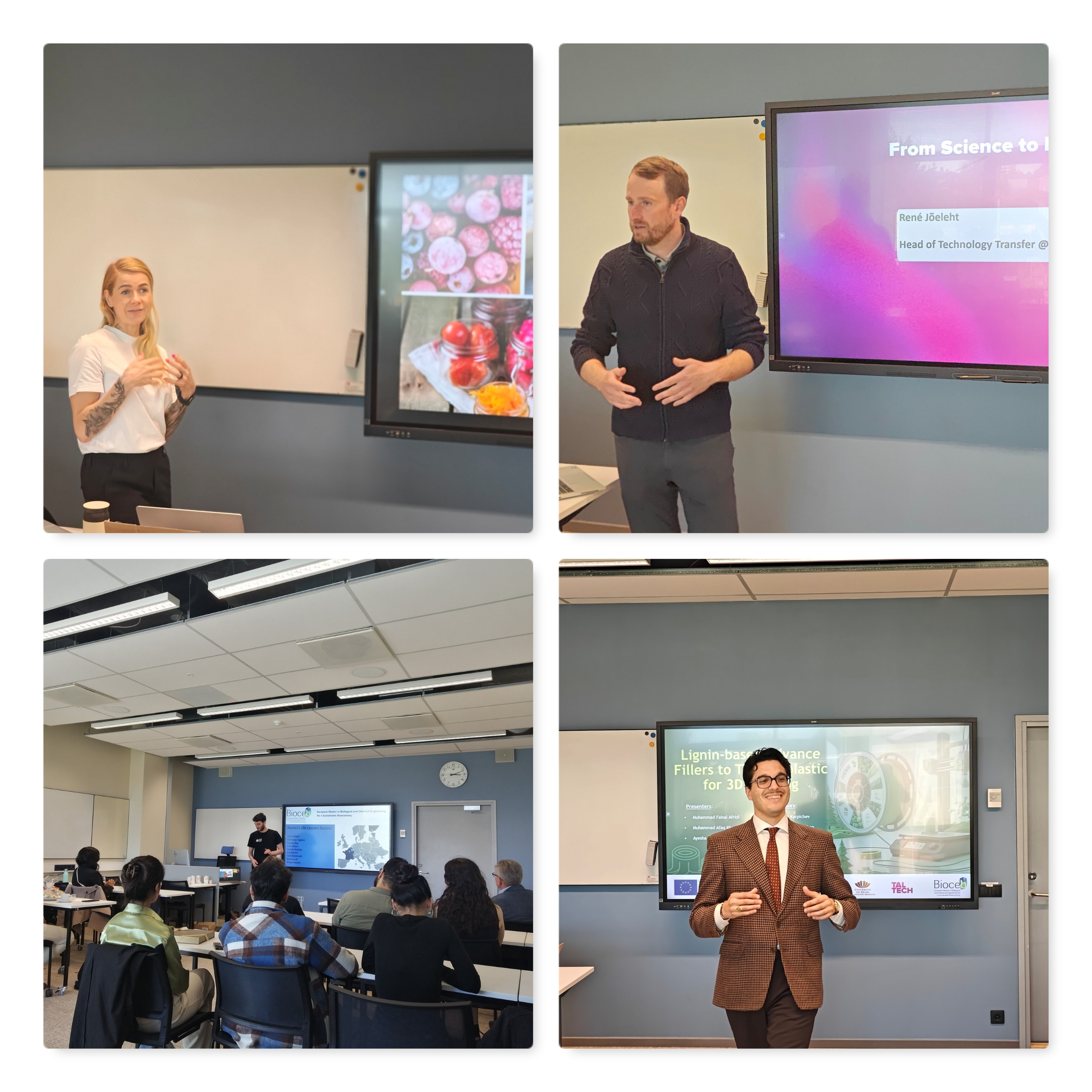
During the afternoon, Green Line Projects were in the spotlights through a convivial poster session and the oral presentations moderated by Yevgen Karpichev. As last year, the group was delighted to welcome the university cooperation attaché of the Institut Français d’Estonie, Mr. Gabriel Voisin-Moncho. The prizes of the best poster and best oral presentation were awarded to GLP2 and GLP4&5, respectively.
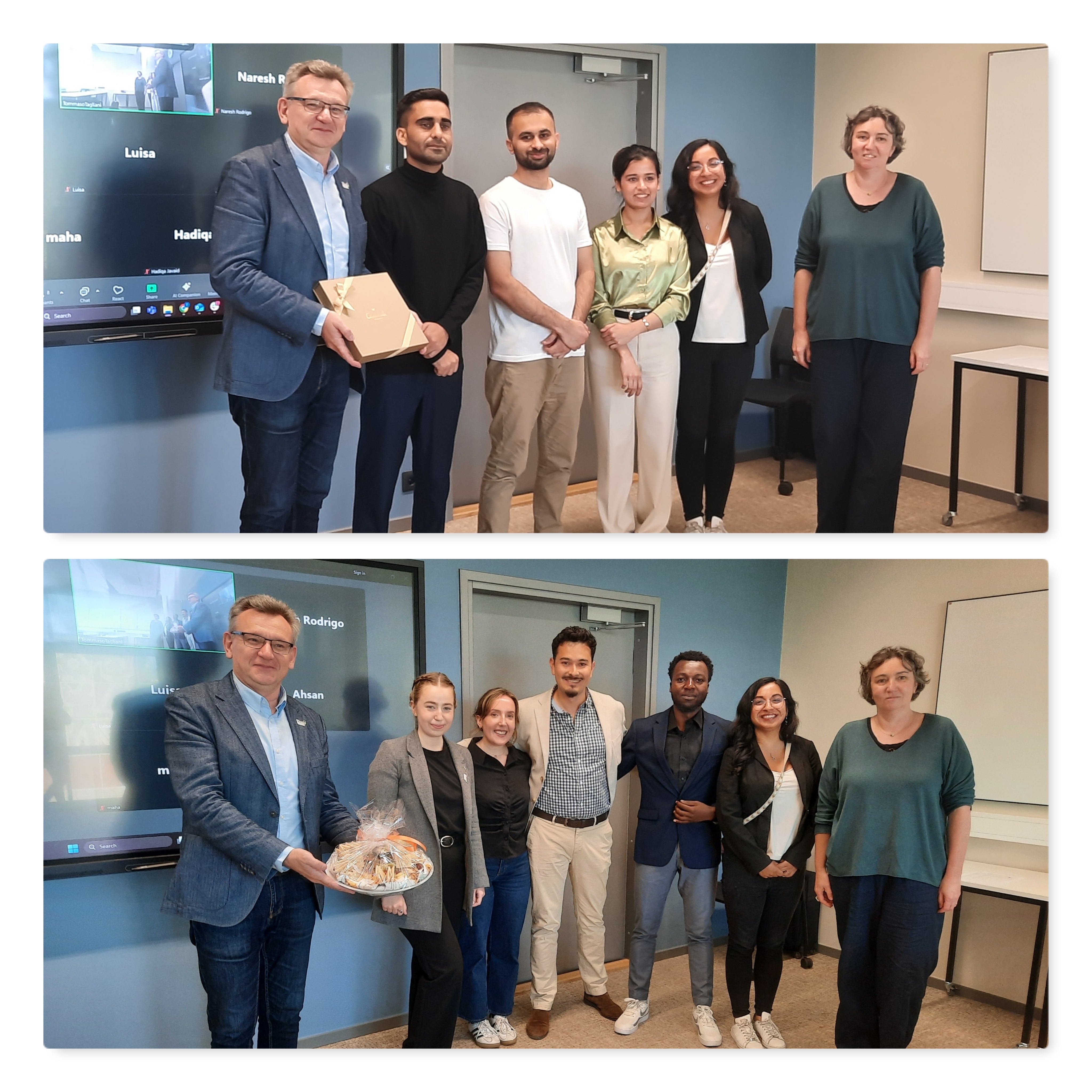
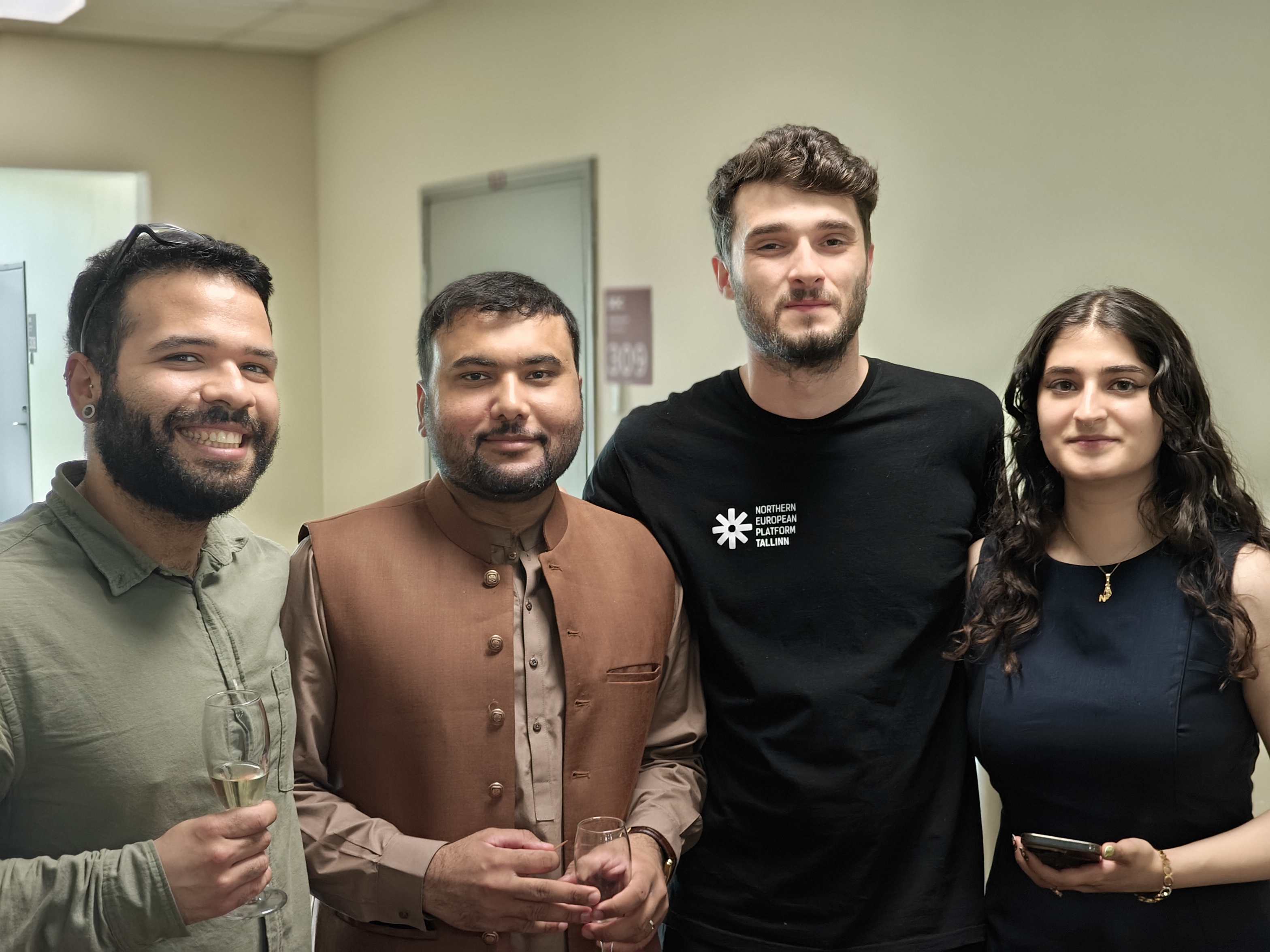
The summer school ended with a session with alumni chaired by Tommaso Tagliani (cohort 1), where the alumni presented their career path and their current position, including Muhammad Khizar Naeem, Assaf Nour and Caoi Nunes (cohort 3) who came from Finland, as well as online testimonial from Pranita Dasi (cohort 1) and Mohammad Salikandi (cohort 2).
As a conclusion, this 5th edition of the Bioceb summer school was as successful and enriching as the previous ones, with as innovation the discovery of the famous Estonian “Apple belt” and its “Summer capital” Pärnu. In the spotlight this year: fermented food, textiles, wood … and cider! A warm thank you to all the participants and to TalTech staff, especially Triinu Poltimäe, for the amazing organization.
Updated May 2026